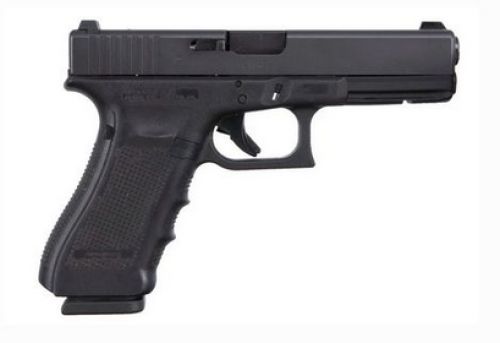
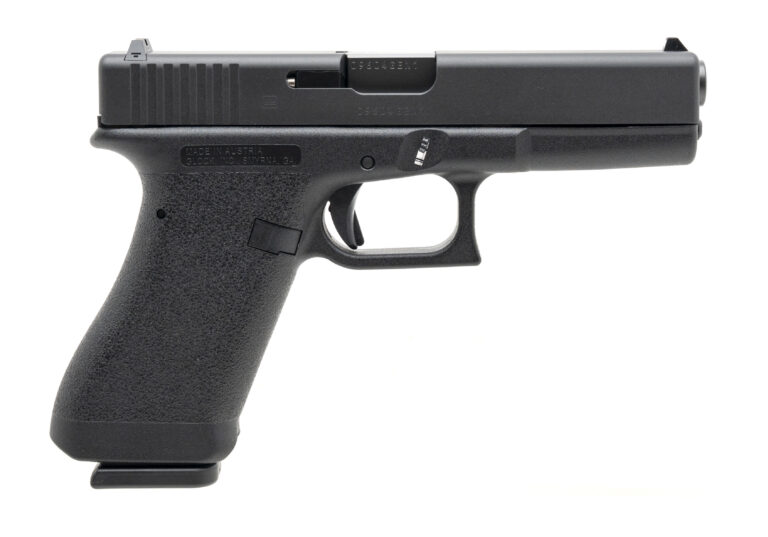
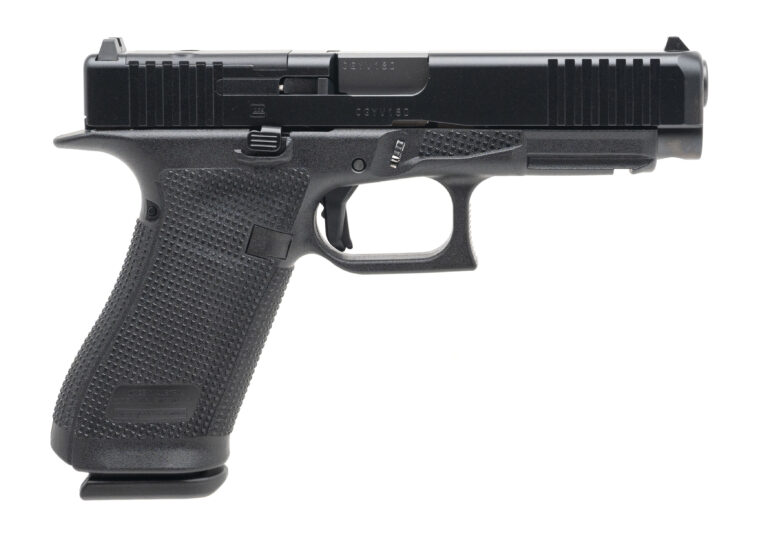
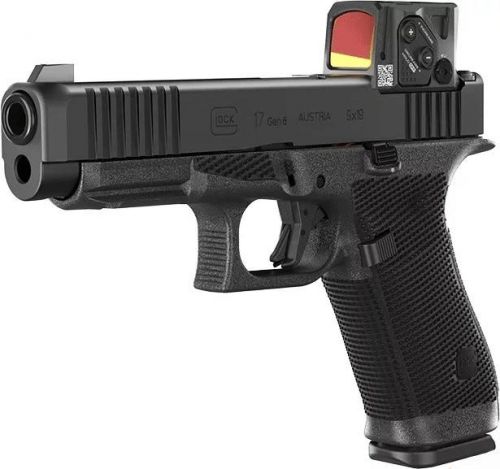
Glock trigger housing and ejector numbers by caliber
The trigger mechanism housing is the black polymer block at the back of a Glock frame, and it does three jobs at once: it holds the connector, it provides the shelf the trigger bar's cruciform rests on, and it carries the ejector, a steel blade that is pressed into it and cannot be removed. Because the ejector is caliber specific, so is the housing, and Glock stamps the ejector with a number that tells you which is which. This guide explains the housing, lists the numbers, and says when a housing needs replacing.
What the housing does
The connector slots into the housing's right side. The cruciform rests on a ledge molded into the housing's front; that ledge is the drop safety, because the trigger bar cannot fall off it without the connector pushing it. The trigger spring hooks to a post on the housing. The ejector projects forward from the housing's top into the path of the slide; as the slide comes back with a fired case held by the extractor, the case's rim strikes the ejector and the case is thrown out of the port. The housing pin holds the whole block in the frame; Gen 4 and Gen 5 pistols use a longer pin when a backstrap is fitted.
Why the ejector is caliber specific
The ejector must strike the case rim at the right height and angle for the case diameter, so 9mm, .40 and .45 use different ejectors, and because the ejector is pressed into the housing at the factory, the housing is sold as a unit by caliber. Fitting a 9mm housing to a .40 pistol gives erratic ejection; fitting a .40 housing to a 9mm gives cases in the face. Glock also revised the 9mm and .40 ejectors during Gen 4 to change the ejection pattern, which is why two numbers exist for the same caliber.
The ejector numbers
- 336: 9mm, Gen 1 to Gen 4 standard frame. The original 9mm ejector and still the most common.
- 30274: 9mm, Gen 4 revision with a taller, angled ejector, introduced to cure erratic ejection on early Gen 4 pistols; fits Gen 1 to Gen 4 9mm frames.
- 1882: .40 S&W, .357 SIG and .45 GAP, Gen 2 to Gen 4.
- 28926: the Gen 4 revision for the .40 family, taller like the 30274.
- 8196: 10mm and .45 ACP large frame, Gen 2 to Gen 4, with later revisions using the same fit.
- 47021: 9mm Gen 5 standard frame, including the 19X, 45 and 47. The Gen 5 housing is a different molding and does not fit earlier frames.
- Gen 5 .40, 10mm and .45 housings carry their own numbers; check the listing.
- Slimline 43, 43X, 48 and the 42: a smaller housing of their own with an ejector to match.
Numbers are stamped on the ejector blade itself, visible through the ejection port with the slide locked back or on the housing once it is out of the frame. If you are unsure which your pistol has, read the blade.
Housing and connector fit
The connector slot on the housing is what keeps the connector's angle fixed relative to the trigger bar, so a housing whose slot has opened up with wear lets the connector rock and the pull weight drift. If a connector goes in loose enough to wiggle, replace the housing as well; it is cheaper than chasing a moving break.
Which to buy for a replacement
Buy the housing for your caliber and generation; where Glock revised the ejector, the later number is the current part and fits every frame the earlier one did. For a 9mm Gen 3 that ejects erratically, the 30274 housing is the usual cure along with a fresh extractor plunger assembly. For a Gen 5, only the Gen 5 housing. Aftermarket housings exist, some with adjustable overtravel screws; they work if they hold the cruciform shelf to the factory height, and the Safe Action guide explains why that height matters.
When a housing needs replacing
Housings crack rarely, usually at the pin hole on a frame that has been stripped many times, and they wear at the shelf after tens of thousands of rounds, which shows as a pull that breaks earlier than it used to. The ejector bends if the pistol is dropped on it or if a case sticks; a bent ejector throws brass in odd directions or fails to eject. A housing with a bent ejector is replaced as a unit. A worn connector slot lets the connector sit loose and changes the pull from shot to shot.
Fitting a housing
Unload, remove the magazine, check the chamber twice, field strip. Push out the trigger housing pin, lift the old housing out with the bar attached, unhook the trigger spring and lift the cruciform out of the housing slot. Move the connector to the new housing, or fit a new one, hook the trigger spring to the new post, set the cruciform into the slot and lower the assembly into the frame so the housing seats fully before the pin goes in. Reassemble, run the function checks, and fire 100 rounds watching where the brass lands: three to six feet to the right is what a correct ejector gives with a good extractor.
The bar that rests on the housing is covered in the trigger bar guide, the connector that slots into it in the connector guide, and ejection faults in the troubleshooting guide. Browse Glock trigger housings; they ship to your door.
General information, not legal advice. Current as of September 2026. Laws change; check the official source before you act.