Glock trigger bars: cruciform, reset and fit by generation
The trigger bar is the spine of the Glock fire-control group: a single steel stamping that connects your finger to the striker, lifts the firing pin safety on the way, and carries the drop safety on its back. Almost every trigger problem and every trigger upgrade runs through it. This guide names its features, explains what each does during a pull and a reset, and lists which bars fit which pistols.
The features of the bar
- Trigger pin hole: at the front, where the bar is pinned to the trigger shoe.
- Firing pin safety ramp: a raised lump on the top edge, part way back, that pushes the safety plunger up as the bar moves rearward.
- Trigger spring hook: where the coil spring attaches and pulls the bar rearward and upward.
- Cruciform: the cross-shaped tab at the rear. Its left and right wings rest on the shelf in the trigger housing; its center catches the striker lug; its rear face rides the connector.
- Connector tab: the rearmost corner of the cruciform that slides down the connector's angled face at the break.
The pull, on the bar
At rest the cruciform sits up on the housing shelf with the striker lug hooked over its center. As the trigger moves, the bar slides rearward; the ramp lifts the firing pin safety out of the striker's path, and the cruciform pushes the striker lug back, finishing the cocking. The connector tab then reaches the connector's angled face and is forced down. The cruciform drops below the shelf, the lug slips off it, and the striker fires. Every part of that happens in about a quarter of an inch of bar travel, and the shelf is what stops it happening without a pull: a bar that is jarred cannot drop because the wings are sitting on the shelf.
Reset, on the bar
When the slide recoils, its underside pushes the connector sideways away from the cruciform, and the striker lug rides back over the depressed cruciform. With the trigger still held, the bar stays down. When you release the trigger, the trigger spring pulls the bar forward and up; the cruciform rises back onto the shelf and into the path of the lug, and the connector snaps back into place against the tab. That is the click. The distance the trigger travels between the break and the click is the reset length, and it is set by the geometry of the bar, the shelf and the connector, which is why aftermarket bars with reshaped cruciforms advertise shorter resets.
What can be changed safely
Polishing the connector tab, the ramp and the underside of the cruciform wings removes the grit that new bars have and is the cheapest trigger job there is. A drop-in trigger with a new bar can shorten pre-travel by moving the cruciform's rest position and shorten reset by reshaping the tab, and a reputable maker keeps the wings on the shelf and the ramp timed so the plunger lifts only during a pull. The Safe Action guide explains why those two conditions matter.
What must not be changed
Filing the cruciform wings so the bar sits lower on the shelf shortens the pull and removes the drop safety in the same stroke. Grinding the ramp so the plunger lifts earlier leaves the striker unblocked during take-up. Bending the tab to change the break angle is unpredictable. A trigger bar is a stamped part that costs little; when in doubt, replace it rather than modify it, and never fit a bar that has been cut by someone else.
Fit by generation and frame
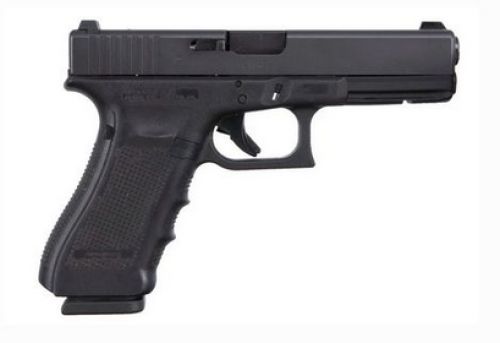
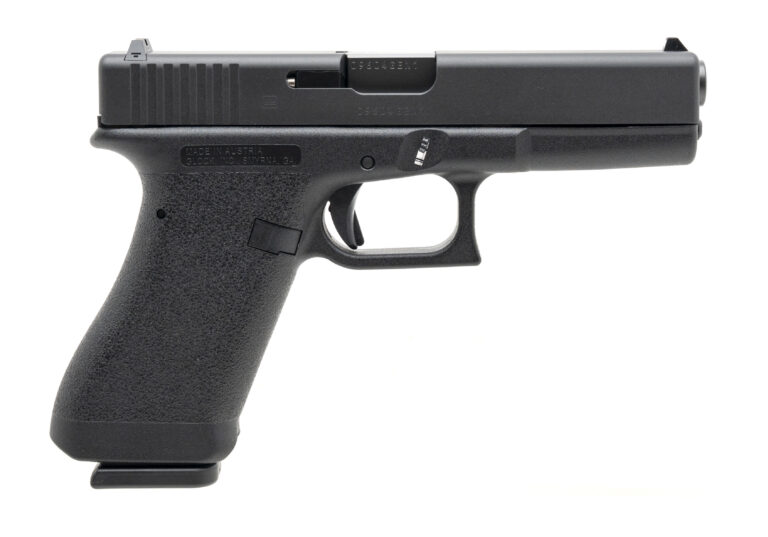
- Gen 1 to Gen 4, standard frame, 9mm, .40, .357 SIG and .45 GAP: one trigger bar pattern, sold with the trigger shoe attached. Gen 4 pistols with the large magazine catch use a bar with clearance for it; makers note this.
- Gen 1 to Gen 4, large frame, 10mm and .45 ACP: a wider bar with a wider cruciform for the large-frame housing.
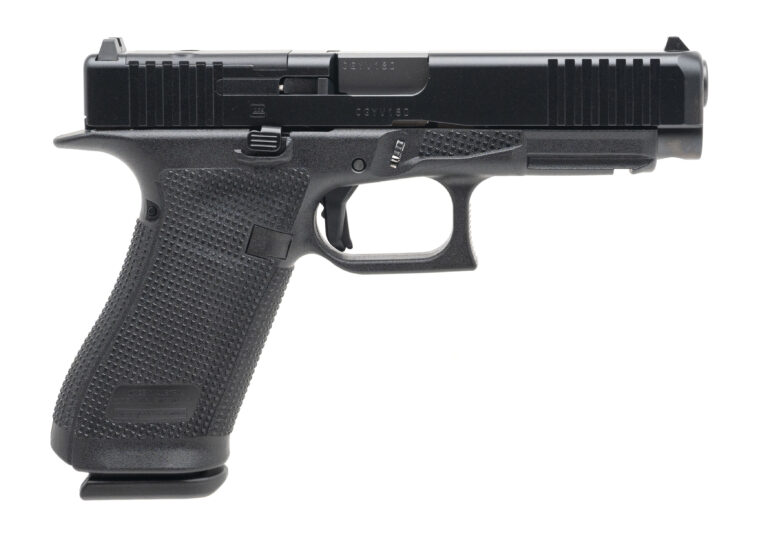
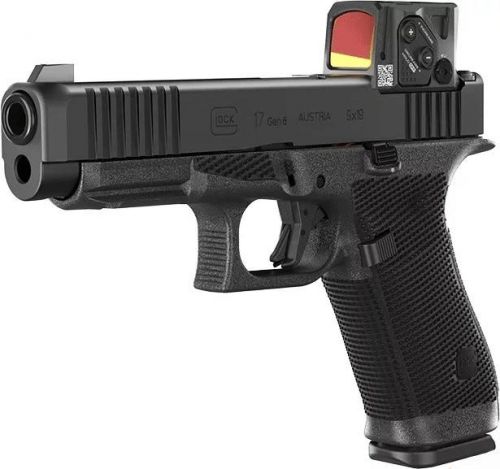
- Gen 5, all standard-frame calibers: a new bar with a different cruciform and ramp, matched to the Gen 5 housing and the larger Gen 5 firing pin safety. Not interchangeable with earlier bars.
- Slimline 42, 43, 43X and 48: a narrower bar of their own, with a different trigger.
- Glock 44: its own bar for the rimfire striker.
Trigger shoes and bars
Factory bars come with the shoe riveted on, and the shoe is smooth on some models and serrated on the subcompacts and older pistols. Aftermarket shoes either pin to the factory bar or come on their own bar; a shoe alone changes the feel of the face, a bar changes the pre-travel and reset. When you buy a bar, buy it for the generation and frame size, and check whether it ships with a connector, since some makers tune the two together.
When to replace a bar
Bars rarely wear out. Replace one when the cruciform wings are visibly rounded, when the trigger spring hook has broken, when someone has filed it, or when you want a different shoe and the maker sells it on a bar. A worn cruciform shows as a pull that breaks earlier than it used to and a reset that feels soft; a filed one is a pistol you should not fire until it is replaced. The troubleshooting guide lists the symptoms, and the connector guide covers the part the bar rides on. Browse Glock trigger bars; they ship to your door.
General information, not legal advice. Current as of September 2026. Laws change; check the official source before you act.