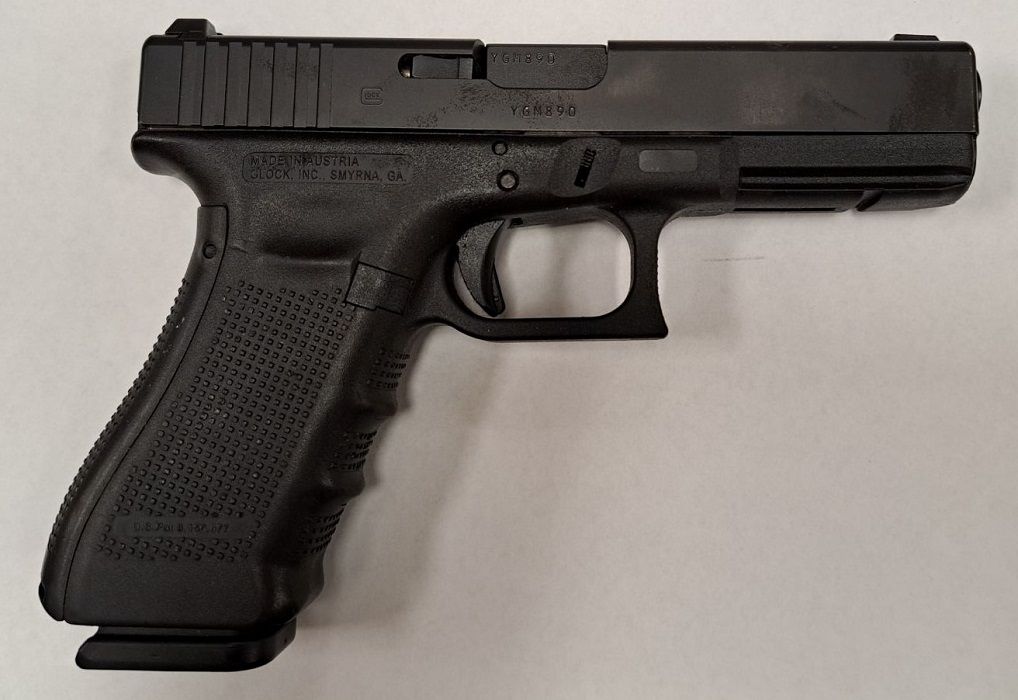
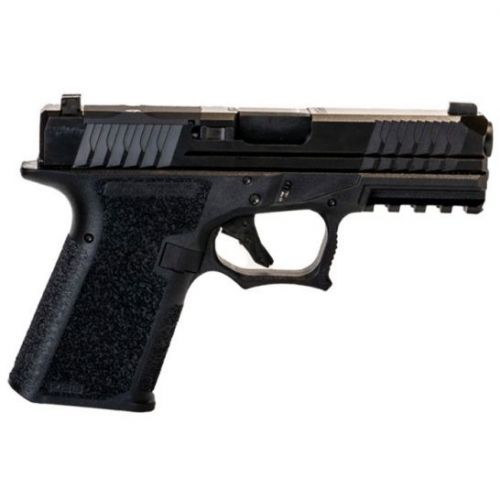
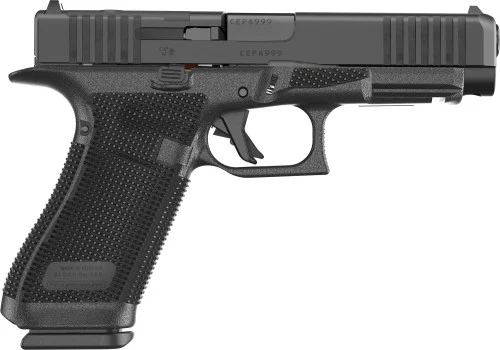
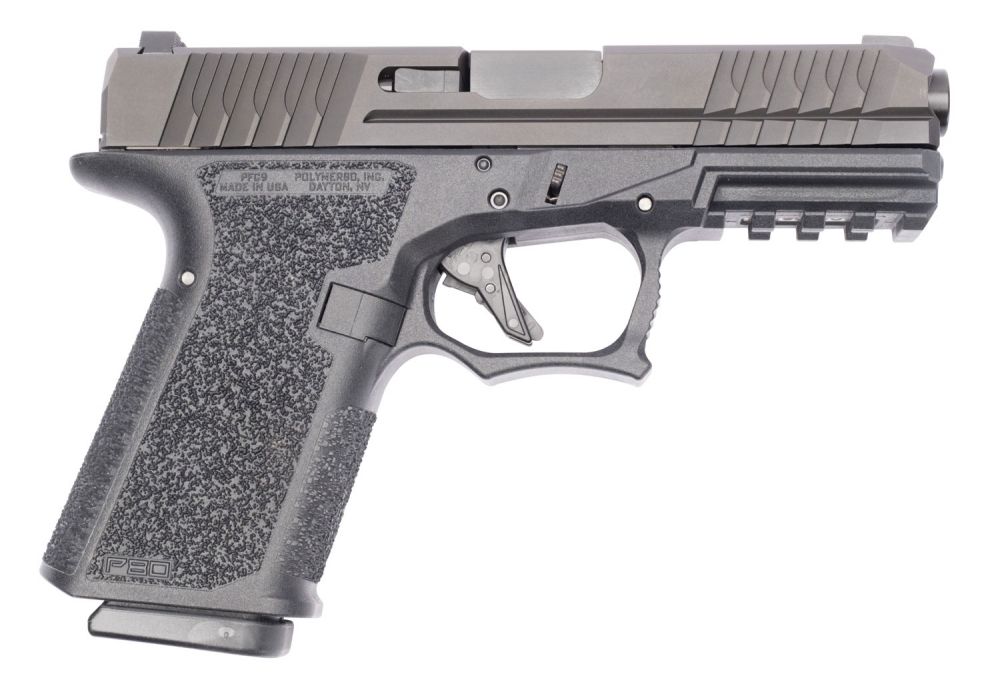
Glock Safe Action: trigger, firing pin and drop safeties
A Glock has no manual safety lever and three automatic ones. Glock calls the system Safe Action, and every one of the three engages by itself and disengages only during a trigger pull. Understanding them is not academic: the modifications that make Glocks unsafe are the ones that defeat one of the three, usually by accident. This guide explains each safety, shows how to check it, and lists the changes that undo it.
1. The trigger safety
The blade in the center of the trigger face pivots on a pin in the trigger shoe. At rest it projects ahead of the trigger face and its lower end is blocked by the frame, so the trigger cannot move rearward even if something pushes on the edge of the trigger. A finger pressing the trigger face presses the blade flush first, which swings its lower end clear of the frame, and only then does the trigger move. Its job is to stop the trigger moving from an inertia load, such as a drop on the back of the slide, or from something catching the edge of the trigger.
Check: pistol unloaded, press the trigger from the side with a pen, avoiding the blade. It must not move. Defeated by: a trigger shoe that lets the trigger move without the blade pressed, a blade pinned open, a blade spring removed on aftermarket shoes that use one, or a blade so worn it no longer reaches the frame.
2. The firing pin safety
A spring-loaded steel plunger sits in the slide ahead of the striker, projecting down into a notch cut in the striker. With the trigger at rest, the plunger blocks the striker from moving forward far enough to reach the primer, no matter what happens to the cruciform. During a pull, the ramp on the trigger bar rises under the plunger and pushes it up out of the notch, freeing the striker just before the break. When the trigger is released the plunger drops back. Its job is to stop a striker that has somehow been released from firing the round, and to stop the striker moving forward under inertia if the pistol is dropped on its muzzle.
Check: slide off the frame, push the striker forward from the rear. Its tip must not appear at the breech face. Depress the plunger and push again; the tip must appear. Release; the plunger must spring back flush. Defeated by: a reduced-power plunger spring, a plunger polished so short it no longer engages the notch, a trigger bar ramp filed to lift the plunger early, or a drop-in trigger's pre-travel screw set so far that the plunger is already lifted with the trigger at rest.
3. The drop safety
The cruciform at the rear of the trigger bar rests on a shelf molded into the trigger housing. The striker lug hooks over the cruciform, and the striker spring pushes down and forward on it, but the cruciform cannot drop because its wings are sitting on the shelf. The only way off the shelf is for the connector to push the cruciform's tab down at the end of a pull. A blow to the pistol from any direction cannot do what the connector does. Its job is to stop the striker being released by inertia, and it is the safety that a trigger job most often damages.
Check: slide on, chamber empty, trigger at rest, lock the slide back and release it hard five times; the striker must not release. Then look through the ejection port and confirm the cruciform is up on the shelf with the trigger forward. Defeated by: filing the cruciform wings or the shelf, an aftermarket housing with a low shelf, a connector cut past the minus angle, or a broken trigger spring that lets the bar rest low.
How they work together
All three are engaged at rest and all three release in order during a pull: blade first, then the plunger at the wall, then the cruciform at the break. Release the trigger and all three re-engage in reverse. There is no moment in a correctly built Glock when the striker can reach the primer without a finger pressing the trigger through the blade, and that is why the pistol needs no lever. It is also why the trigger is the pistol's safety, and why holsters that cover it matter as much as the parts inside.
Drop testing
Glock drop tests to military and police standards from several heights on every surface, and pistols that pass go to sale. A modified pistol has not been tested. If you have changed fire-control parts, the checks above are the minimum; the slam test with an empty chamber is the closest home equivalent to a drop test on the rear of the slide. A pistol that fails any check is not carried or fired until the change is undone.
The rule for parts
A fire-control part is acceptable on a Glock if the pistol passes all three checks with it fitted and adjusted as the maker instructs. Every part on this site is chosen on that basis, and every one is a semi-automatic part: one round per trigger pull, safeties intact. The trigger bar guide, the connector guide and the housing guide each end with the same checks. Browse firing pin safeties and springs and trigger parts; they ship to your door.
General information, not legal advice. Current as of September 2026. Laws change; check the official source before you act.